Expert Tips for Listed Building Roofing in Bearsden and the West of Scotland
@mylistedbuildingroofingnest
Why Listed Building Roofing Requires a Specialist Approach
Owning a listed property in Bearsden or anywhere in the West of Scotland comes with a unique set of responsibilities. The roof is often the most visible part of the building, and getting it wrong can cause long-term damage and even legal trouble. I have spent years working with roofing contractors on older buildings, and I have seen what happens when the wrong materials or methods are used. This article shares practical advice for homeowners facing a roof repair or replacement on a listed building, focusing on the specific challenges in our region.
Listed building roofing is not just about picking the right tiles. It involves understanding the building's history, working with conservation officers, and sourcing materials that match the original construction. In Bearsden and Glasgow, many properties date from the Victorian and Edwardian eras, when slate was the standard. But a listed building might have its own quirks, and that is where experience really matters.
Understanding the Rules for Listed Buildings
If your property is listed, you need consent from the local council before carrying out most roofing work. This is covered by building regulations and heritage legislation. The key point is that you cannot simply replace a damaged roof with modern materials. The aim is to preserve the character of the building. For example, if your roof has natural slate, you cannot swap it for a cheaper concrete tile. The conservation officer will expect you to use matching slate tiles, often sourced from the same quarry or a close match.
This can add time and cost to a project, but it protects the value and appearance of your home. I have worked on projects where homeowners tried to bypass this process, only to face enforcement action and the cost of redoing the work. It is far better to involve a specialist roofer early who understands listed building roofing and knows how to navigate the application process.
Materials That Matter: Slate, Lead, and More
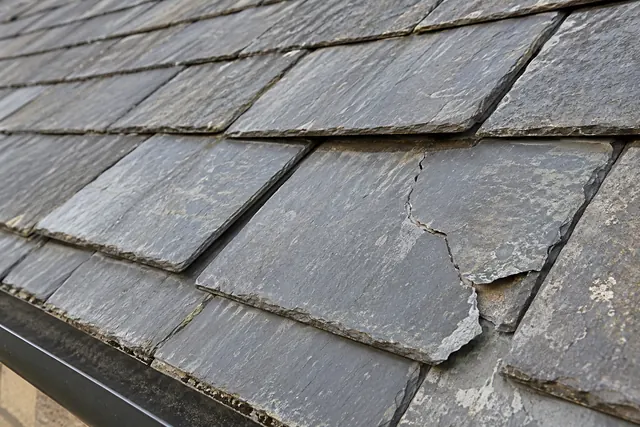
The choice of materials is critical for a listed building. Natural slate is the most common roofing material in historic properties across the West of Scotland. It is durable, fire-resistant, and weathers beautifully. However, not all slate is the same. The colour, texture, and thickness vary by region. For a listed building in Bearsden, you might need slate from a specific Welsh or Scottish quarry to match the original.
Lead flashing is another essential component. It is used around chimneys, valleys, and roof edges to create a watertight seal. Traditional lead work is a skill in itself, and good roofing contractors will form the lead by hand rather than using pre-formed sections. This ensures a better fit and a longer life. Roofing felt, also known as underlay, has also evolved. Modern breathable felts are often acceptable for listed buildings, but you must check with the conservation officer first. Some properties require a traditional felt that allows the roof to breathe in a specific way.
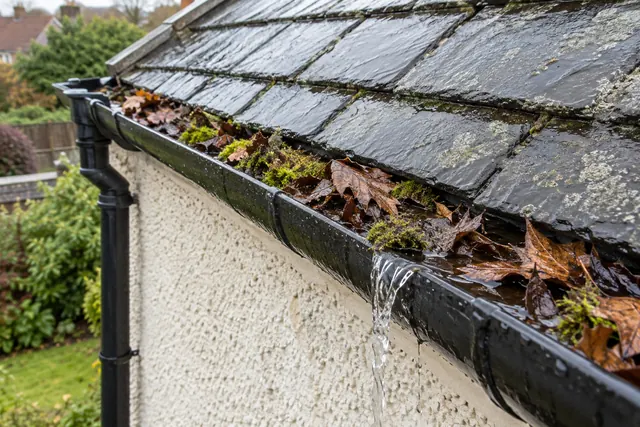
Guttering is another area where listed building roofing differs from a standard project. Cast iron gutters are common on older buildings, and they need careful maintenance. Plastic guttering is rarely permitted on a listed building because it changes the appearance. Instead, you might need to repair or replace with cast iron or aluminium. This is something I see homeowners overlook, but it matters to the overall look and function of the roof.
Common Challenges with Listed Building Roofs
One of the biggest challenges is the condition of the existing roof structure. Many listed buildings in Glasgow and Bearsden have roofs that are over a hundred years old. The timber rafters may be sound, but the roof tiles can be fragile. Removing old tiles without breaking them is a slow process, and you often have to keep some original tiles for reuse. This is where counter battening comes in. By adding battens that run perpendicular to the rafters, you create a ventilated gap that helps prevent condensation and rot. It is a technique that works well with natural slate and is often required by building regulations for listed buildings.
Flat roof sections are another common feature in older properties, especially on extensions or bay windows. For a listed building, a flat roof must be carefully designed to avoid altering the building's appearance. Materials like GRP (glass-reinforced plastic) are sometimes used because they can be made to match existing details, but they are not always approved. Roofing felt or liquid-applied membranes are more traditional options, but they need regular maintenance. I always advise homeowners to discuss flat roof options with their roofer and the conservation officer before committing.
Ridge tiles are another detail that can cause problems. On a slate roof, the ridge tiles are usually made of clay or natural stone. They sit at the highest point of the roof and are often decorated with a finial or crest. If these are damaged, finding a matching replacement can be difficult. Specialist suppliers like Scotts Roofing Supplies in the West of Scotland stock a range of heritage materials, but you may need to have new tiles made to order. This adds lead time to the project, so plan ahead.
Practical Steps for Homeowners
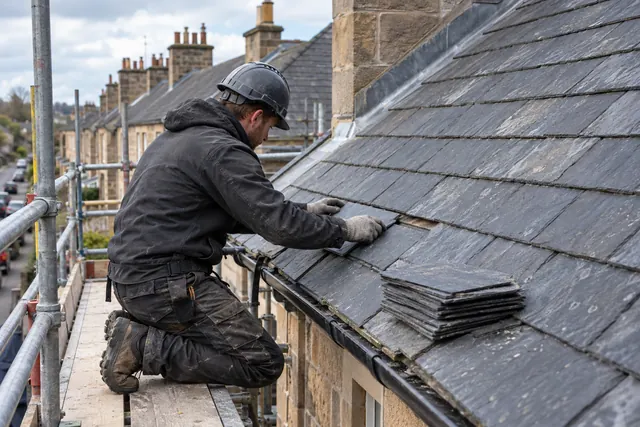
So, what should you do if you suspect your listed building needs roofing work? Start by getting a survey from a roofer who specialises in historic properties. They will check the condition of the roof tiles, the timber structure, and the flashing. They will also advise on whether a full replacement is needed or just a repair. In many cases, a roof repair can extend the life of the roof by decades, especially if the original slate is still in good condition.
Next, contact your local council's conservation team. In Bearsden, that falls under East Dunbartonshire Council. They will tell you what permissions are needed and can give guidance on acceptable materials. It is worth having a conversation before you commit to a contractor, because the council's requirements may affect the cost and timeline.
Finally, choose a roofer with a proven track record in listed building roofing. Ask for examples of similar projects, check references, and confirm they have public liability insurance. A good roofer will also be familiar with the local supply chain, including where to buy natural slate and lead flashing in the West of Scotland. They will know that roof insulation in a listed building must be handled carefully to avoid trapping moisture, and they will understand the importance of ventilation.
The Value of Working with a Specialist
I have seen too many cases where a general roofer takes on a listed building project and makes costly mistakes. Using the wrong type of roof tiles, failing to match the original leadwork, or ignoring building regulations can all lead to problems that are expensive to fix. On the other hand, a specialist roofer who understands UK heritage roofing will do the job right the first time. They will know how to source materials like natural slate from suppliers such as Scotts Roofing Supplies, and they will be able to advise on details like counter battening and ridge tiles.
If you live in Bearsden, Glasgow, or Edinburgh and own a listed building, the key is to take a patient, informed approach. Listed building roofing is not a quick fix, but with the right team, you can protect your home's character and value for decades to come. Whether you need a full roof replacement or a targeted roof repair, the principles are the same: respect the building, follow the rules, and use materials that last.
In my experience, homeowners who invest the time to understand their roof and work with the right professionals end up with a roof that not only looks right but performs better. The weather in the West of Scotland can be harsh, with rain and wind testing every joint and tile. A roof built with care and the right materials will keep your home dry and warm, and it will add to the beauty of the street.
If you are unsure where to start, a free directory like centralscotlandtradesmen.co.uk can help you find local roofers who specialise in historic properties. Look for contractors who mention listed building roofing in their portfolio, and do not be afraid to ask detailed questions about their approach. The right roofer will welcome the conversation and give you confidence that your roof is in safe hands.